
What Features Should You Look for in Craft Beer Equipment?
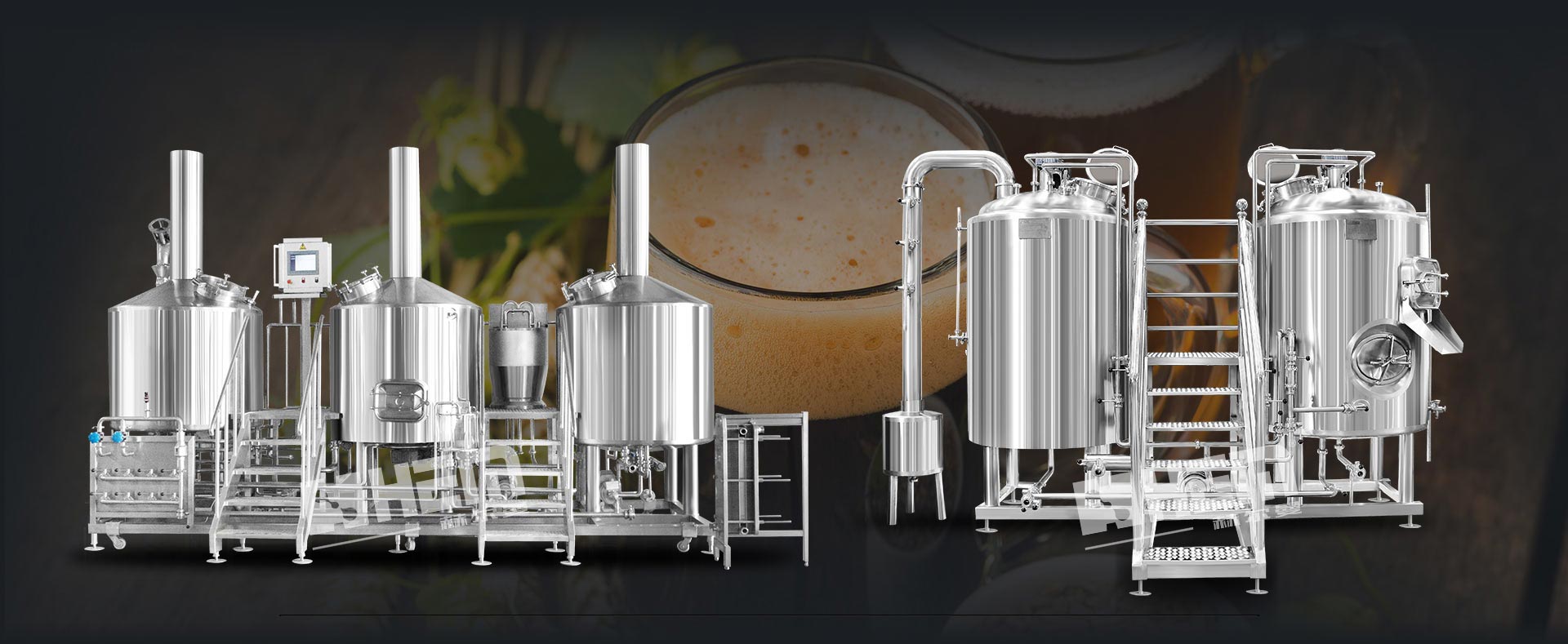
Craft beer equipment should be selected based on material quality, temperature accuracy, sanitation design, automation level, energy efficiency, and future expansion needs. Professional breweries often prioritize 304/316 stainless steel construction, ±0.5°C temperature control systems, CIP cleaning capability, and modular tank designs because these features improve batch consistency and reduce operating costs. Equipment choices directly affect beer quality, production speed, and maintenance requirements.
The first feature to evaluate is the material used in the brewing system. Stainless steel remains the preferred choice for most craft breweries because it resists corrosion, supports repeated cleaning, and meets food-processing standards. Many commercial brewing systems use 304 stainless steel for tanks and piping, while 316 stainless steel is selected for environments with higher exposure to chemicals or salt-based cleaning agents.
The surface finish inside brewing vessels also affects sanitation performance. Professional fermenters commonly use polished internal surfaces with low roughness to reduce residue attachment after fermentation. A smoother tank interior allows cleaning solutions to reach more areas during CIP procedures and reduces the chance of unwanted microorganisms affecting beer quality.
A brewery producing 500 barrels annually may clean fermentation vessels hundreds of times each year, so tank construction quality directly affects long-term operating conditions.
Tank thickness and welding quality should also match production requirements. Small pilot systems may use thinner stainless steel walls, while larger commercial fermenters require stronger construction to handle pressure during carbonation. Many pressure-rated fermentation tanks operate between 1 and 3 bar depending on their design and beer style.
The material choice connects closely with temperature management because fermentation quality depends heavily on stable conditions. Yeast performance changes when fermentation temperatures move outside the target range, affecting alcohol production, aroma compounds, and flavor balance.
Modern craft beer equipment often uses glycol cooling jackets combined with digital controllers to maintain stable temperatures. Ale fermentation usually occurs around 18–22°C, while lager fermentation commonly requires 7–13°C. Systems with temperature accuracy within ±0.5°C help brewers maintain more consistent batches compared with manual monitoring methods.
| Feature | Common Specification | Brewing Benefit |
|---|---|---|
| Stainless steel tank | 304 or 316 grade | Corrosion resistance and durability |
| Temperature controller | ±0.5°C accuracy | Stable fermentation |
| Glycol cooling | Independent cooling zones | Multiple beer styles |
| CIP system | Automated cleaning cycle | Faster sanitation |
| PLC control | Digital monitoring | Better process records |
Temperature control also influences production planning because breweries often produce different beer styles in the same facility. A system with separate cooling zones allows one tank to produce a cold-fermented beer while another maintains warmer conditions for ale production.
The ability to expand equipment capacity is another important feature for growing breweries. Many small breweries begin with systems between 3 and 10 barrels before increasing production volume. Modular designs allow additional fermenters, bright tanks, and storage vessels to be added without replacing the entire brewing system.
A modular brewery setup can reduce future equipment changes because production capacity grows step by step. For example, adding four 20-barrel fermenters can significantly increase output while keeping the original brewhouse in operation.
Equipment should support current production needs while leaving enough space and connection options for future additions.
Automation has become more common in craft breweries because it improves process control and reduces manual errors. Brewing systems equipped with PLC controllers, touchscreen panels, and automated valves can record temperatures, flow rates, and transfer conditions during each batch.
A 2023 industry survey of small and medium breweries reported that more producers were investing in automation tools to improve consistency and reduce repetitive work. Automated systems are especially useful for breweries producing multiple batches per week because operators can repeat the same brewing parameters more accurately.
However, automation levels should match brewery size. A small taproom brewery may only need digital temperature control, while a larger production facility may require automated mashing, wort transfer, and cleaning systems.
Cleaning efficiency is another feature that influences equipment selection. Beer production requires strict sanitation because yeast, bacteria, and organic residues can affect flavor quality. Brewing vessels designed with fewer corners, smooth welds, and efficient drainage systems are easier to clean.
CIP systems are widely used in professional breweries because they allow cleaning liquids to circulate through tanks and pipelines without complete disassembly. Depending on equipment design, automated CIP processes can reduce cleaning time by approximately 30% compared with manual methods.
A well-designed cleaning system saves labor hours while helping maintain stable beer quality across repeated production cycles.
Energy consumption has become an important consideration as breweries manage heating and cooling expenses. The brewing process requires heat during mashing and boiling, followed by rapid cooling before fermentation.
Equipment with insulated tanks, efficient heat exchangers, and optimized heating systems can reduce energy use. Some breweries recover heat from hot wort cooling processes and reuse it for water heating, reducing total energy demand by around 20–40% depending on system design and operating conditions.
Heat exchanger performance also affects brewing speed. Faster wort cooling helps brewers move products into fermentation tanks sooner, reducing the time between brewing stages.
The size and configuration of brewing vessels should match production goals. A brewhouse that is too small may limit output, while an oversized system may increase unused capacity and maintenance requirements.
Common equipment combinations vary by brewery scale:
| Brewery Type | Typical Equipment Setup |
|---|---|
| Small craft brewery | 3–10 barrel brewhouse, several fermenters |
| Regional brewery | 15–100 barrel system with automation |
| Large craft producer | Multiple brewhouses, automated cellar systems |
Pressure control is also important for fermentation and carbonation. Fermentation tanks used for naturally carbonated beer require reliable pressure gauges, safety valves, and strong tank structures. Incorrect pressure management may affect carbonation levels and product consistency.
Equipment safety features should include pressure-rated components, sanitary valves, secure fittings, and reliable electrical systems. Manufacturers that provide installation support and technical documentation can help breweries maintain equipment performance over many years.
Supplier experience should also be considered when purchasing brewing equipment. Professional manufacturers usually provide tank customization, layout planning, installation guidance, and maintenance recommendations. A brewery purchasing a complete system—such as a specialized hem craft beer equipment—should evaluate not only the equipment itself but also the technical support available after installation.
Supplier experience should also be considered when purchasing brewing equipment. Professional manufacturers usually provide tank customization, layout planning, installation guidance, and maintenance recommendations. A brewery purchasing a complete system should evaluate not only the equipment itself but also the technical support available after installation.
A brewing system is used for many years, so service support and spare part availability can influence daily operation as much as the equipment design.
When comparing craft beer equipment, brewers usually review several factors before making a purchase:
| Evaluation Area | Questions to Consider |
|---|---|
| Materials | Is the stainless steel grade suitable for long-term use? |
| Temperature control | Can the system maintain stable fermentation conditions? |
| Cleaning | Does the design support efficient CIP operation? |
| Automation | Are digital controls needed for production volume? |
| Expansion | Can additional tanks be added later? |
| Support | Are installation and maintenance services available? |
The best equipment choice depends on brewery size, production plans, beer styles, and available resources. A small brewery focused on specialty releases may need flexible tanks and precise controls, while a larger producer may prioritize automation and energy-saving systems.
High-quality craft beer equipment combines durable materials, accurate temperature management, efficient cleaning, and practical expansion options. Selecting these features helps breweries maintain consistent production standards while controlling long-term operating expenses.
See the runtime on your own stack.
30 minutes with a solutions engineer. No deck — a working walkthrough.